
Why Your Home Matters After Divorce More Than You Think
When you’re going through a divorce, your home is usually the last thing on your list. There’s so much else demanding your attention — attorneys, finances, parenting schedules, the emotional weight of everything changing at once. Setting up a new place feels like something you’ll figure out later.
But here’s what most people don’t realize until they’re living it: your first home after divorce sets the tone for everything that follows. The way that space looks and feels — whether it’s calm or chaotic, intentional or improvised — quietly shapes how you feel about your new chapter every single day.
This isn’t about aesthetics. It’s about what home actually does for you when life is in transition.
Home Is Where Recovery Actually Happens
Divorce involves a lot of visible, measurable work. You negotiate, you sign things, you divide assets, you figure out a custody schedule. All of that is hard — and all of it happens in offices, meeting rooms and court rooms.
But the actual recovery? That happens at home. It happens when you walk through your front door at the end of a hard day. When you make coffee in the morning. And, if you have kids, when they arrive for their first overnight and look around to see if this place feels safe.
Your home is where the emotional work of moving forward takes place — quietly, repeatedly, every day. Which means the state of that space matters more than most people give it credit for.
A Temporary-Feeling Space Creates a Temporary Mindset
Most people setting up a new home after divorce do it in survival mode. They grab what they can from the marital home, buy a few things in a hurry, and tell themselves they’ll sort it out properly later. The mattress goes on a frame that doesn’t quite fit. The living room has one chair and a lamp from the old house that never belonged there. The kitchen has what was left after everything was divided.
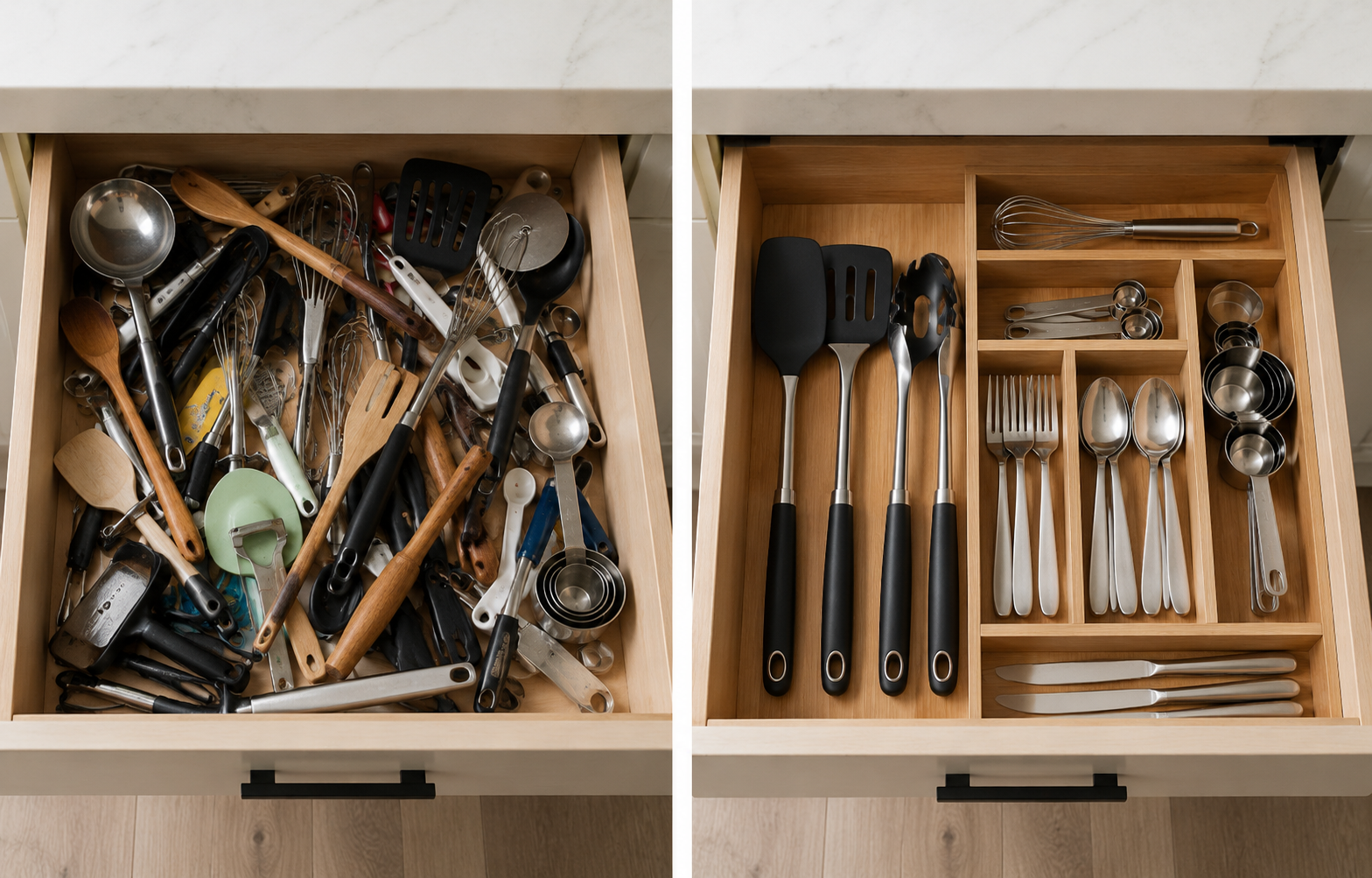
“The environment we live in has a profound effect on our mental state.”
Months pass. The space still feels temporary. And that feeling starts to bleed into everything else.
When your home feels like a placeholder, it’s hard to feel settled. It’s hard to feel like you’re moving forward when every room is a reminder that you’re still figuring it out. The environment we live in has a profound effect on our mental state — and a space that feels unfinished, mismatched, or chaotic makes it genuinely harder to feel calm, grounded, and ready for what’s next.
This isn’t about being precious about design. It’s about the difference between a space that holds you back and one that helps you move forward.
Your First Home After Divorce Is a Statement About Who You’re Becoming
One of the most quietly powerful things about designing a new home after divorce is this: for the first time in a long time, every decision is yours.
No compromises. No negotiating over furniture you never loved. No living with someone else’s taste overlaid on your own. Your new home can be a clean expression of who you are — and more importantly, who you’re becoming.
That might sound like a small thing. But when your identity has been wrapped up in a marriage and a shared life for years, reclaiming your own sense of space and style is genuinely significant. It’s one of the first places you get to say: this is me, on my own terms.
Clients who approach their first post-divorce home with intention — rather than just grabbing what’s available — consistently describe feeling more like themselves faster. The home becomes a touchstone rather than a reminder. Your giant letter may look different from mine but everyone has one.
If You Have Kids, the Stakes Are Even Higher
Children navigating divorce pick up on everything. They notice whether a space feels settled or temporary. They notice whether their bedroom feels like their room or like a guest room they’re borrowing. They notice whether they have a place to do homework, a spot for their things, a corner of the home that feels like it belongs to them.
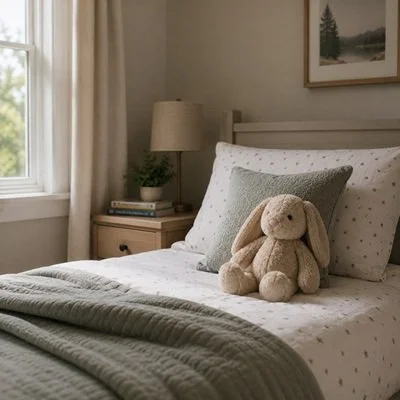
“Kids notice (and absorb) whether a space feels settled or temporary.”
A home that feels thoughtfully set up — even if it’s smaller than the family home, even if it’s a rental — sends a message to children that things are okay. That this place is real. That they belong here too.
That message is worth a lot. And it doesn’t require a big budget or a perfect space. It requires intention.
The Practical Reality: Most People Don’t Have the Bandwidth to Do This Alone
Understanding that your first home after divorce matters is one thing. Actually having the time, energy, and design eye to create it intentionally is another.
Most people going through divorce are running on empty. Decision fatigue is real. The idea of spending hours researching furniture, figuring out what fits a new floor plan, and making hundreds of design choices on top of everything else is genuinely overwhelming. So they default to quick, cheap, and temporary — and then live with it for far longer than they planned.
This is where working with a designer who understands divorce — not just design — makes a real difference. Someone who can simplify the process, take the decisions off your plate, and help you create a space that actually supports your next chapter rather than just filling it.
You don’t have to have it all figured out before you begin. You just need the right support.
Your Fresh Start Begins at Home
At Petite Design Studio, we work with people navigating divorce to create homes that feel calm, functional, and unmistakably theirs — in Metro Denver, Boulder, and virtually nationwide. Our founder has been through divorce herself, which means she brings more than professional design expertise to every project. She brings genuine understanding of what this transition actually feels like.
If you’re setting up a new home after divorce and want help doing it with intention rather than in survival mode, we’d love to talk.
Book a free discovery call today. No pressure — just clarity.